Exploring Ancient China’s Connection to Extraterrestrial Life

Updated: Apr 9
The fascination with extraterrestrial life has captivated humanity for centuries. From ancient texts to modern science fiction, the idea that we are not alone in the universe has sparked curiosity and debate. One of the most intriguing aspects of this exploration is the connection between ancient civilizations and the possibility of alien encounters. In this post, we will delve into the rich history of ancient China and its potential links to extraterrestrial life, examining artifacts, texts, and cultural beliefs that suggest a deeper connection to the cosmos.
The Historical Context of Ancient China
Ancient China boasts a history that spans thousands of years, marked by significant dynasties, philosophical advancements, and technological innovations. The earliest known Chinese civilization, the Xia Dynasty, emerged around 2070 BC, followed by the Shang and Zhou dynasties. Each of these periods contributed to a complex tapestry of beliefs, practices, and knowledge that shaped the Chinese worldview.
Key Dynasties and Their Contributions
Xia Dynasty (c. 2070 – 1600 BC): Often considered the first dynasty in Chinese history, the Xia laid the groundwork for future governance and societal structure.
Shang Dynasty (c. 1600 – 1046 BC): Known for its advancements in bronze metallurgy and writing, the Shang also left behind oracle bones that provide insight into their spiritual beliefs.
Zhou Dynasty (c. 1046 – 256 BC): The longest-lasting dynasty in Chinese history, the Zhou introduced the concept of the Mandate of Heaven and saw the rise of Confucianism and Daoism.
These dynasties not only shaped Chinese culture but also influenced how the ancient Chinese perceived their place in the universe.
Ancient Texts and Extraterrestrial Themes
Throughout Chinese history, various texts have hinted at the existence of beings from other worlds. These writings often blend mythology, philosophy, and early scientific thought, creating a rich narrative that invites exploration.
The Book of Changes (I Ching)
The I Ching, or Book of Changes, is one of the oldest Chinese classics, dating back to the Western Zhou period. It is a divination text that explores the concept of change and the interconnectedness of all things. Some interpretations suggest that the hexagrams used in the I Ching may represent cosmic forces and entities beyond our understanding, hinting at a connection to extraterrestrial life.
The Classic of Mountains and Seas (Shan Hai Jing)
Another significant text is the Shan Hai Jing, or Classic of Mountains and Seas, which is a compilation of mythological geography and folklore. This ancient work describes various creatures, gods, and lands, some of which resemble modern depictions of extraterrestrial beings. For example, certain creatures described in the text have features that align with contemporary UFO sightings, leading some researchers to speculate about their origins.
Daoist Philosophy and Cosmic Connections
Daoism, a philosophical and religious tradition that emerged during the Zhou Dynasty, emphasizes harmony with the cosmos. Daoist texts often discuss the concept of the Dao, or the fundamental principle that underlies the universe. This idea of a universal force resonates with modern theories about the interconnection of life and the possibility of extraterrestrial intelligence.
Artifacts and Archaeological Discoveries
In addition to ancient texts, various artifacts have been discovered in China that may suggest contact with extraterrestrial beings. These artifacts often raise more questions than answers, inviting speculation about their origins and purposes.
The Ancient Astronaut Theory
The Ancient Astronaut Theory posits that extraterrestrial beings visited Earth in ancient times and influenced human civilization. Proponents of this theory point to various artifacts and structures as evidence of such encounters. In China, several examples have been cited:
The Flying Chariots of the Gods: Ancient texts describe flying chariots used by deities, which some interpret as early accounts of UFOs. These descriptions often include details about their speed and appearance, suggesting advanced technology.
The Sanxingdui Artifacts: Discovered in the 1980s, the Sanxingdui site in Sichuan Province yielded numerous bronze artifacts, including masks and statues with unusual features. Some researchers argue that these artifacts reflect influences from extraterrestrial visitors.
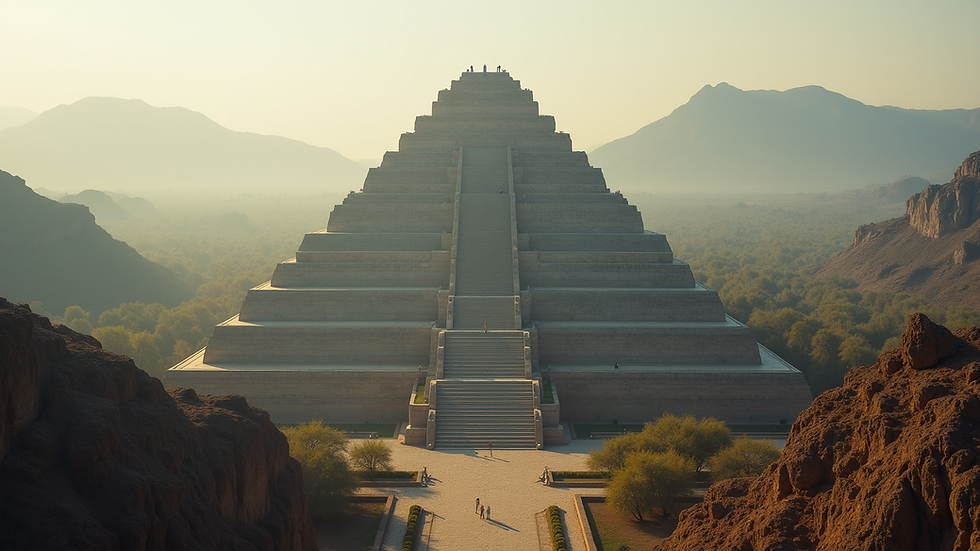
The Pyramids of China
While the Great Wall and the Forbidden City are well-known, China is also home to lesser-known pyramids, such as those in the Qin Dynasty tombs. These structures have sparked debate about their purpose and construction methods. Some theorists suggest that the pyramids may have been built with assistance from advanced beings, given their alignment with celestial bodies.
Cultural Beliefs and Extraterrestrial Life
The ancient Chinese worldview was deeply intertwined with spirituality and the cosmos. Many cultural beliefs reflect a fascination with the heavens and the possibility of life beyond Earth.
The Role of Ancestors and Spirits
In traditional Chinese culture, ancestors play a significant role in daily life. The belief in ancestral spirits suggests a connection between the living and the deceased, which some interpret as a broader understanding of life beyond our physical existence. This belief may extend to the idea of otherworldly beings, as the boundaries between life and death, and between Earth and the cosmos, are often blurred.
Astrology and Celestial Events
Chinese astrology, which dates back thousands of years, emphasizes the influence of celestial bodies on human affairs. The Chinese zodiac, based on a twelve-year cycle, reflects the belief that the movements of planets and stars can impact life on Earth. This connection to the cosmos may indicate an awareness of forces beyond our planet, potentially including extraterrestrial influences.
Modern Interpretations and Research
In recent years, the interest in ancient China’s connection to extraterrestrial life has gained traction among researchers and enthusiasts. Various documentaries, books, and online forums explore these themes, often blending historical analysis with speculative theories.
The Search for Extraterrestrial Intelligence (SETI)
The Search for Extraterrestrial Intelligence (SETI) has expanded its reach to include ancient civilizations. Researchers are examining historical texts and artifacts for clues about potential contact with alien life. This interdisciplinary approach combines archaeology, anthropology, and astronomy to create a more comprehensive understanding of humanity’s place in the universe.
Popular Culture and Media
The fascination with ancient aliens has permeated popular culture, with television shows and films exploring the idea of extraterrestrial contact throughout history. These portrayals often draw on ancient Chinese texts and artifacts, further fueling public interest in the topic.
Conclusion
The connection between ancient China and extraterrestrial life is a captivating subject that intertwines history, mythology, and modern speculation. From ancient texts that hint at cosmic beings to artifacts that challenge our understanding of human history, the evidence invites us to reconsider our place in the universe. While definitive proof of extraterrestrial life remains elusive, the exploration of these themes encourages us to keep questioning and seeking answers.
As we continue to explore the cosmos and our own history, we may uncover more connections that deepen our understanding of life beyond Earth. The journey into the unknown is just beginning, and who knows what we may discover next?
Comments