Exploring Ancient UFO Theories China: A Journey Through Time and Sky

The sky above ancient China was not just a canvas of stars and clouds. It was a stage for mysterious lights, strange shapes, and stories that defy simple explanation. What if some of these tales were not just myths but glimpses of something beyond our world? Today, I invite you to walk with me through the corridors of time, exploring the enigmatic world of ancient UFO theories China has quietly preserved.
Unveiling Ancient UFO Theories China: A Glimpse into the Past
When we think of UFOs, our minds often leap to modern sightings and sci-fi movies. Yet, the roots of these phenomena stretch far deeper, reaching into the annals of ancient civilizations. China, with its rich tapestry of history and mythology, offers some of the most intriguing accounts.
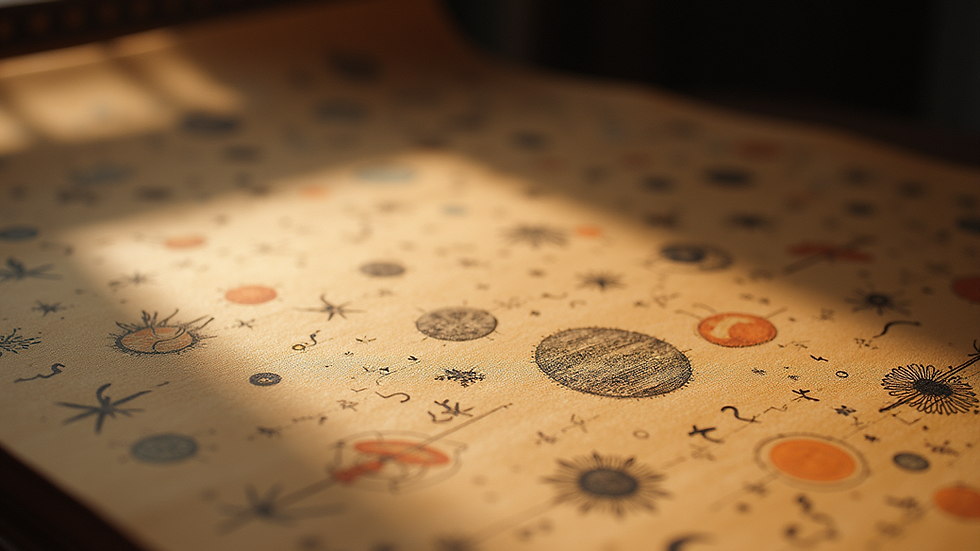
Historical texts describe "flying chariots" and "celestial ships" that appeared in the skies. The Shan Hai Jing (Classic of Mountains and Seas), a compilation of mythic geography and creatures, hints at strange aerial phenomena witnessed by ancient observers. Could these be early records of UFO encounters?
Consider the Han dynasty chronicles, where mysterious lights were seen hovering over the capital. Officials documented these events with a mix of awe and fear, unsure if they were divine signs or something else entirely. These records suggest that ancient Chinese scholars were keen observers of the sky, noting anomalies that challenge our understanding.
The Symbolism and Significance of Dragons in Ancient Chinese UFO Theories
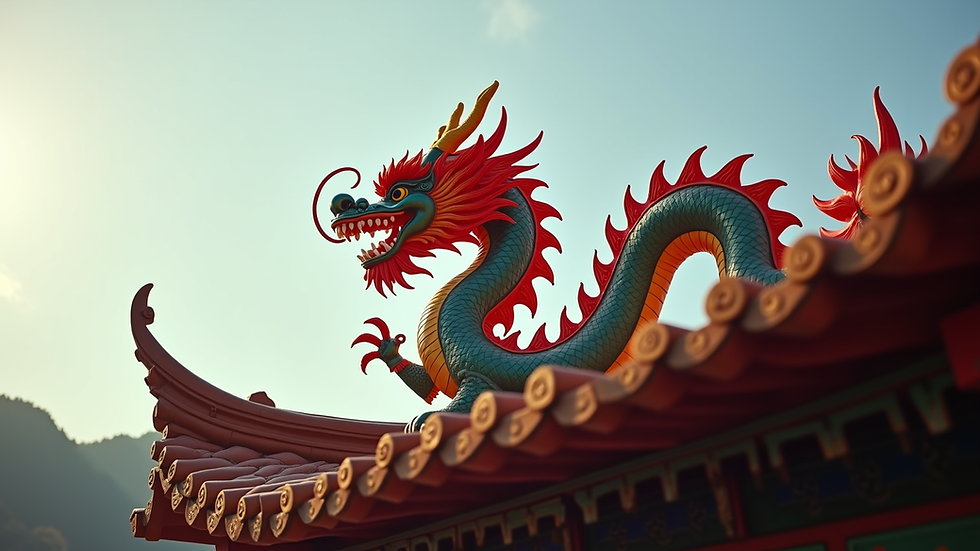
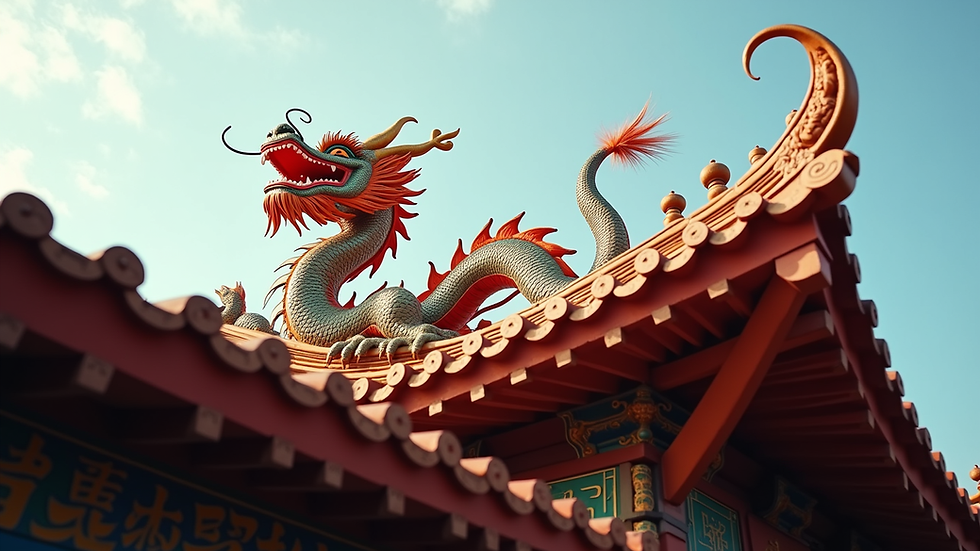
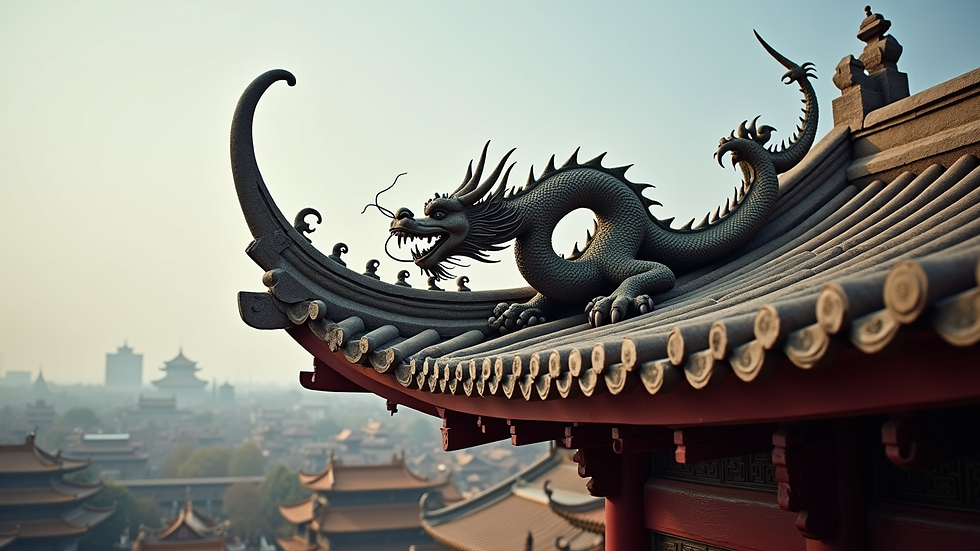
Dragons are synonymous with Chinese culture - majestic, powerful, and often linked to the heavens. But what if these dragons were more than mythical creatures? Some researchers propose that dragons symbolize advanced extraterrestrial beings or their crafts.
Dragons are described as flying entities with the ability to traverse the skies and waters, sometimes emitting light or fire. This imagery aligns intriguingly with modern descriptions of UFOs and their luminous trails. Could the dragon legends be coded memories of ancient encounters with otherworldly visitors?
The connection deepens when we examine the dragon's role as a guardian of cosmic knowledge. Ancient texts often portray dragons as intermediaries between heaven and earth, guiding humanity or delivering messages. This duality of myth and possible reality invites us to rethink the origins of these powerful symbols.
What is the Shuen Ye Theory?
Among the many fascinating ideas in this realm is the Shuen Ye theory. This concept suggests that certain ancient Chinese texts contain hidden references to extraterrestrial technology and beings. The theory derives its name from a phrase meaning "floating night," which some interpret as a poetic description of UFOs moving silently through the night sky.
Proponents of the Shuen Ye theory analyze classical poetry and historical records, uncovering passages that describe "metallic birds" or "heavenly vessels" that defy the technology of their time. These descriptions often include details about shapes, movements, and even sounds that resonate with modern UFO reports.
While skeptics argue these are mere metaphors or folklore, the theory encourages us to look beyond the surface. It challenges us to decode ancient language and symbolism, seeking truths that may have been obscured by time and translation.

Bridging Myth and Reality: Practical Insights from Ancient Texts
Exploring these ancient accounts is not just an academic exercise. It offers practical insights into how early civilizations perceived the unknown and integrated it into their worldview. Here are some takeaways that can enrich our understanding today:
Observation and Documentation: Ancient Chinese scholars meticulously recorded unusual sky phenomena. This teaches us the value of careful observation and open-minded documentation in studying unexplained events.
Symbolism as Communication: Myths and legends often encode complex ideas. Learning to interpret these symbols can reveal hidden layers of meaning about humanity’s interaction with the cosmos.
Cultural Context Matters: Understanding the cultural and historical background helps us avoid misinterpretation. What seems fantastical may have been a genuine attempt to explain extraordinary experiences.
Interdisciplinary Approach: Combining history, mythology, astronomy, and modern UFO research creates a richer, more nuanced picture. This holistic view can inspire new questions and discoveries.
By embracing these lessons, we can approach the mysteries of the sky with both wonder and rigor, honoring the legacy of those who looked up long before us.
The Cosmic Dance Continues: Reflecting on Ancient Chinese UFO Theories
As I reflect on these stories and theories, I am struck by the timeless human desire to understand what lies beyond our world. The ancient Chinese, with their dragons and celestial ships, remind us that the cosmos has always been a source of fascination and mystery.
Could these ancient narratives be the first chapters in a much larger story? One where humanity’s past and future are intertwined with visitors from the stars? The journey to uncover these truths is ongoing, inviting us to keep watching the skies and listening to the whispers of history.
If you feel the pull of these cosmic mysteries, dive deeper into the world of ancient chinese ufo theories. There, the dragons of lore meet the enigma of the unknown, and together they beckon us toward new horizons.
Let us continue this exploration with open hearts and curious minds, for the sky is vast, and its secrets are waiting to be revealed.
Comments